
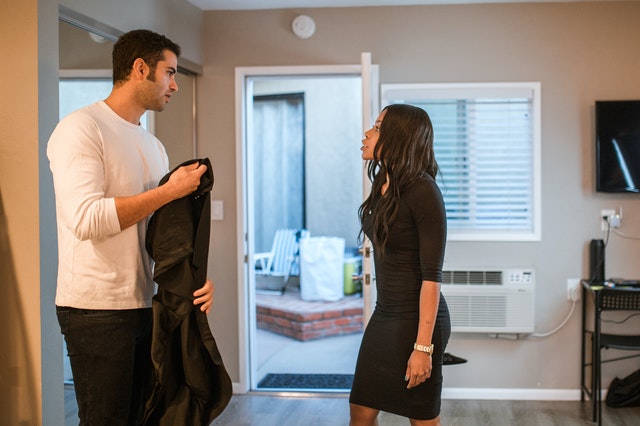
California Grounds for Divorce
The two grounds for divorce in California are irreconcilable differences and permanent legal incapacity to make decisions. The first one enables spouses to concentrate on the dissolution of marriage California instead of defining the faults and nurturing the revenge plans. Meanwhile, the latter variant is quite a rare choice and requires special evidence to be deemed valid. As of 2026, couples who agree on all terms can now file a Joint Petition for Dissolution (SB 1427). This new option allows spouses to file together regardless of the length of marriage or child custody status, significantly reducing court processing times and costs. To avoid delays or mistakes, it’s smart to follow a divorce checklist before filing – financial disclosures, parenting details, and required forms still matter.
Irreconcilable Differences
California is a strictly no-fault state, meaning you do not have to prove your spouse did something wrong to get a divorce. You ought to finalize your relationships officially opting for irreconcilable differences as the main reason for your choice. It stipulates that you can no longer exist as a couple since you share no similar views, principles, feelings so that you will acquire a better life quality after terminating your marriage only.
Such a scenario leaves no place for claiming guilt of a relationship failure belonging to any of the spouses. Thus, partners have more space and opportunities to work on the mutually beneficial divorce aftermath. Spouses ought to discuss and come to terms with the major divorce points stipulated in the local family law.
If you have a desire, you can mention any of the faults your partner is responsible for, whether it is domestic violence or adultery. But they are usually not considered when decisions on your divorce results are made. The only impact the severe relationship problems may have is on the custody and visitation decisions. In such a case, the choices will be made in the best interests of your children.
Incurable Insanity
If you choose to finalize your marriage due to incurable insanity or, in other words, permanent legal incapacity on personal decisions, your bare claims will be not enough to proceed. This implies you have to provide official proof of your marital situation. This requires medical or psychiatric evidence proving the spouse lacked the legal capacity to make decisions at the time the petition was filed and continues to lack that capacity. Plus, you may be required to deliver the claims that illustrate the lack of possibilities to change the situation for the better in any way. If this ground is not proven, the court will likely treat the case as a standard dissolution based on irreconcilable differences to ensure the legal process can continue.
With the process being complicated and requiring much paperwork, this ground is rarely exploited to end the marriage in California. The further legal details and explanations are laid out in the California Family Code.
With CA belonging to no-fault states, your marriage may be finalized quickly and easily. You can also explore the possibilities of legal separation or annulment of your marriage before you opt for divorce. These procedures may be covered faster and require less effort and finances to succeed.
Meet the residency requirements, decide on your reason for divorce, collect the required forms, and file your petition with the Superior Court to begin the dissolution process. Mind that cooperation with your partner and relevant professionals will only simplify your case and add to beneficial aftermath.
Ready to Start Your California Divorce?
Get your professionally prepared, court-ready divorce papers California packet without the stress of blank PDFs.
100% Court Approval Guarantee

Andy Williams has spent 8+ years researching U.S. divorce procedures, court filing requirements, and state-specific family law processes. Content is based on California law, including publicly available statutes, California Rules of Court, and official Judicial Council resources.